
Most of what is sold as AI for property management was built for large American multifamily portfolios. That is not a criticism; it is a fact about who it was tested on. A property manager in Halifax answers to a different set of rules, and the right questions to ask a vendor come straight from those rules.
ORACA is built and operated from Halifax, Nova Scotia. These are the questions we think you should ask anyone, and what we say to each.
1. Does it know the Residential Tenancies Act, or just a lease?
Nova Scotia sets the notice period for a rent increase, limits increases to once in twelve months, and renews a yearly lease by itself when no notice is given. A renewal template that assumes a sixty-day window is wrong here for some tenancy types. ORACA’s proposed renewal desk drafts for a person to review and keeps the statutory values in configuration, because the rent cap in this province is set by statute with an expiry date, and a number baked into code would be wrong the day the law changes.
2. What will it never ask a renter?
Accommodation and advertisements are both covered by the Nova Scotia Human Rights Act. Family status, source of income, age and the other protected grounds cannot shape a question, a routing rule or an answer. Ask the vendor to show you the list of things the assistant is instructed not to ask. ORACA’s qualification rules exclude protected grounds and the assistant’s instructions forbid them. Your team decides every application, and the decision carries a name.
3. Where does the personal data live, and who can read it?
Nova Scotia has no private-sector privacy law of its own, so PIPEDA applies to a property manager’s commercial activity. The Privacy Commissioner’s guidance to landlords is plain: collect only what you need, and nobody is obliged to give you a SIN. ORACA gives every client a separate database, encrypts names, emails, phones and addresses at rest, keeps uploaded documents private behind signed links, and tells applicants not to send a SIN. Client data is never used for training.
What ORACA does not claim: SOC 2, ISO 27001 or any audited certification. Data residency is confirmed per deployment and written down, not assumed.
4. How does it handle consent under Canada’s anti-spam law?
This is the law most often broken by accident, usually by a well-meaning follow-up sequence that nobody consented to. Every follow-up text or email is a commercial electronic message. It needs consent, it must identify the sender, and it must carry a way to unsubscribe. Implied consent after an inquiry has a time limit. ORACA records consent before anything sends, honours stop on every channel, respects send windows and daily caps, and fails closed: no recorded consent, nothing goes out.
5. What happens on a Sunday night when the heat fails?
In a Halifax winter this is not a hypothetical. In ORACA’s proposed maintenance desk, no heat in winter is recognised as an emergency alongside flood, gas, fire and carbon monoxide. The resident gets safety instructions and the on-call contact is paged in the same moment, before any approval. Everything that is not an emergency waits for a named person to approve it.
6. Who do I call?
A vendor that does not operate in your province will route your Sunday-night question through a ticket queue in another time zone. Ask who picks up, and when.
An operated service has a person behind it. ORACA engagements come with one named lead and a one-business-day support line, a monthly report and a quarterly review with that same person. ORACA takes two installs a month and one property company per metro, which is a deliberate limit: the first Halifax install has to be done properly, because the second one is sold on it.
7. What does it not claim?
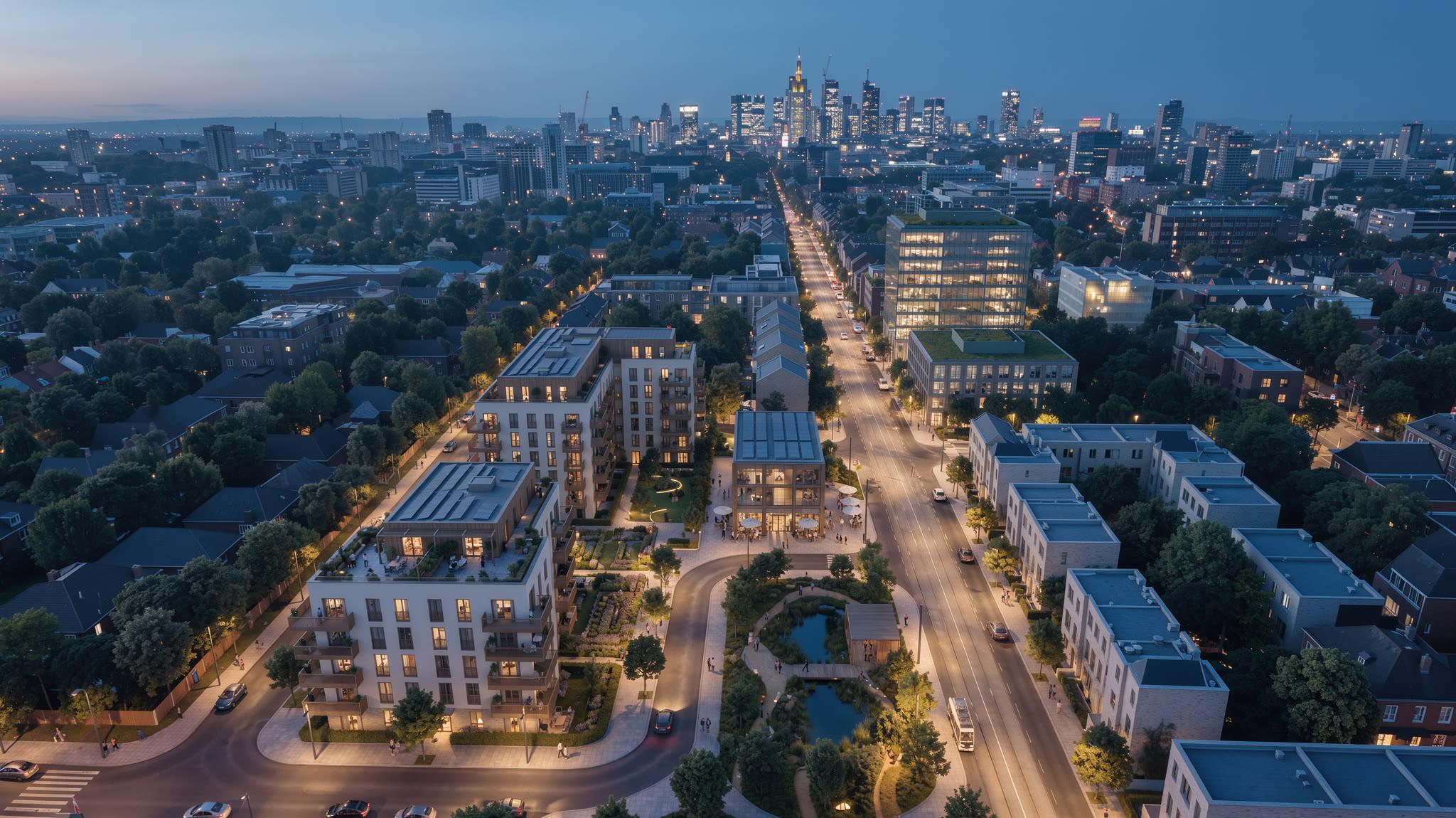
This is the question that separates a partner from a pitch. ORACA’s answer is written on every page of this site: no live property management client yet, no audited certifications, no occupancy or rent figures unless they come from your system, and every capability marked as running today, needing a person, proposed, or dependent on your systems. Even the buildings in the pictures are illustrations built for this site; no client property is shown. If a vendor cannot give you that list, write it for them and ask them to sign it.